CHANGZHOU CITY

1909: The old order loosed in late-Qing

In 1909, Changzhou stood at the threshold between an old city and a new era. The thousand-year-old Grand Canal still flowed quietly, its docks, alleyways, and tiled houses sustaining the familiar rhythms of Jiangnan life. Yet the whistle of the newly built Shanghai–Nanjing Railway had already pierced the ancient city walls, and new schools, local assemblies, and modern commercial ideas were subtly reshaping the city’s tempo. Tradition and modernity converged at this moment—a historic Jiangnan city, poised between misty rain and the hum of machines, stepping into an unknown yet powerful modern future.

Source: Map of Changzhou City(1909) - National Central Library

Go to next era
Layers

Features you should notice...

village

Village Structure

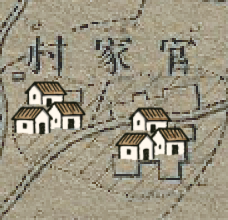
Villages were organized around clans, with most residents sharing the same surname. These villages were located outside the city center, surrounding the urban area. Farmers made up the majority of the population, and most households relied on small-scale, family-based farming that was largely self-sufficient.

gate

City Walls

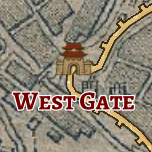
The city wall and gates defined the early boundary of Changzhou. They were originally built to protect the city’s core from external threats. The six gates were positioned in different cardinal directions to provide full defense coverage. At the same time, the enclosed boundary reflected the conservative and inward-looking nature of a traditional rural society.

alley

Alleys

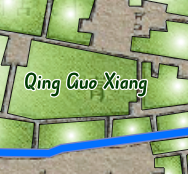
Alleys (巷, xiang) are traditional “pocket spaces” that shape the urban morphology of Jiangnan watertowns such as Changzhou. These narrow lanes functioned as active communal spaces where residents experienced everyday life and engaged in small-scale commercial activities such as selling food and household goods (He & Henwood, 2015). Today, very few alleys remain, and most of those that still exist have been renovated and commercialized by the Changzhou government, transforming them into cultural and tourism sites.

temple

Temples

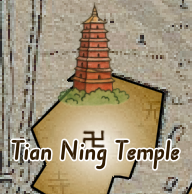
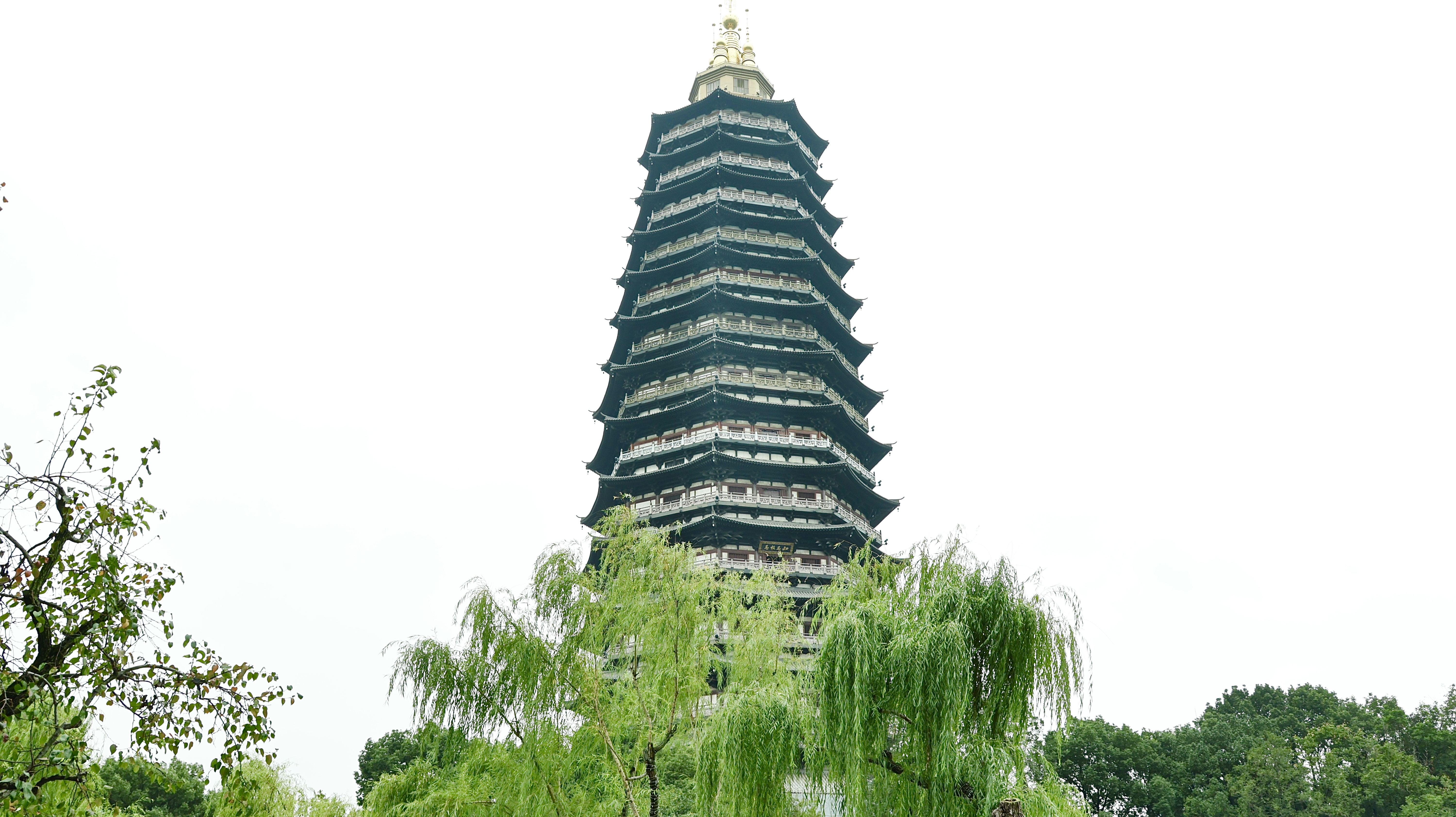
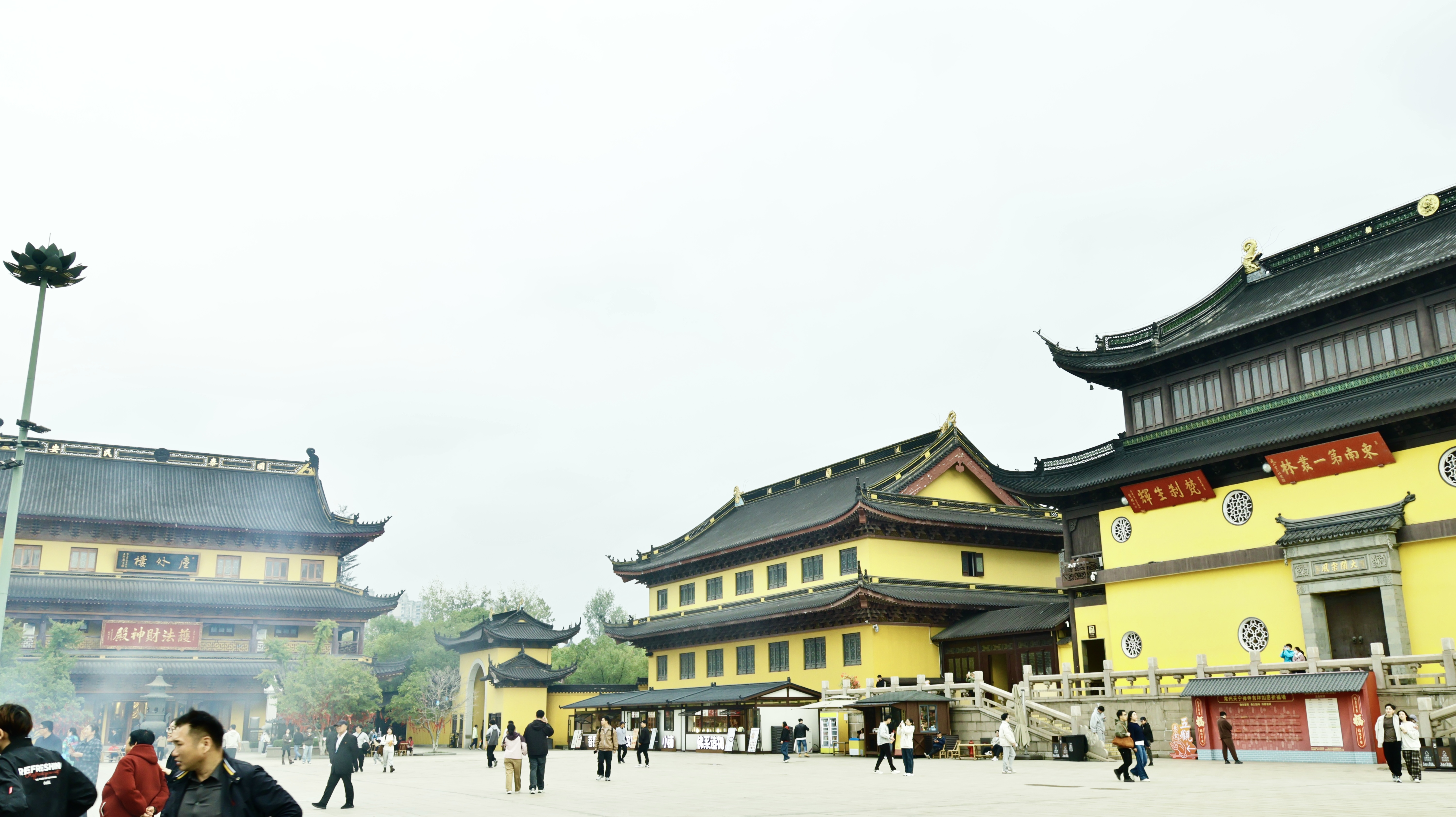
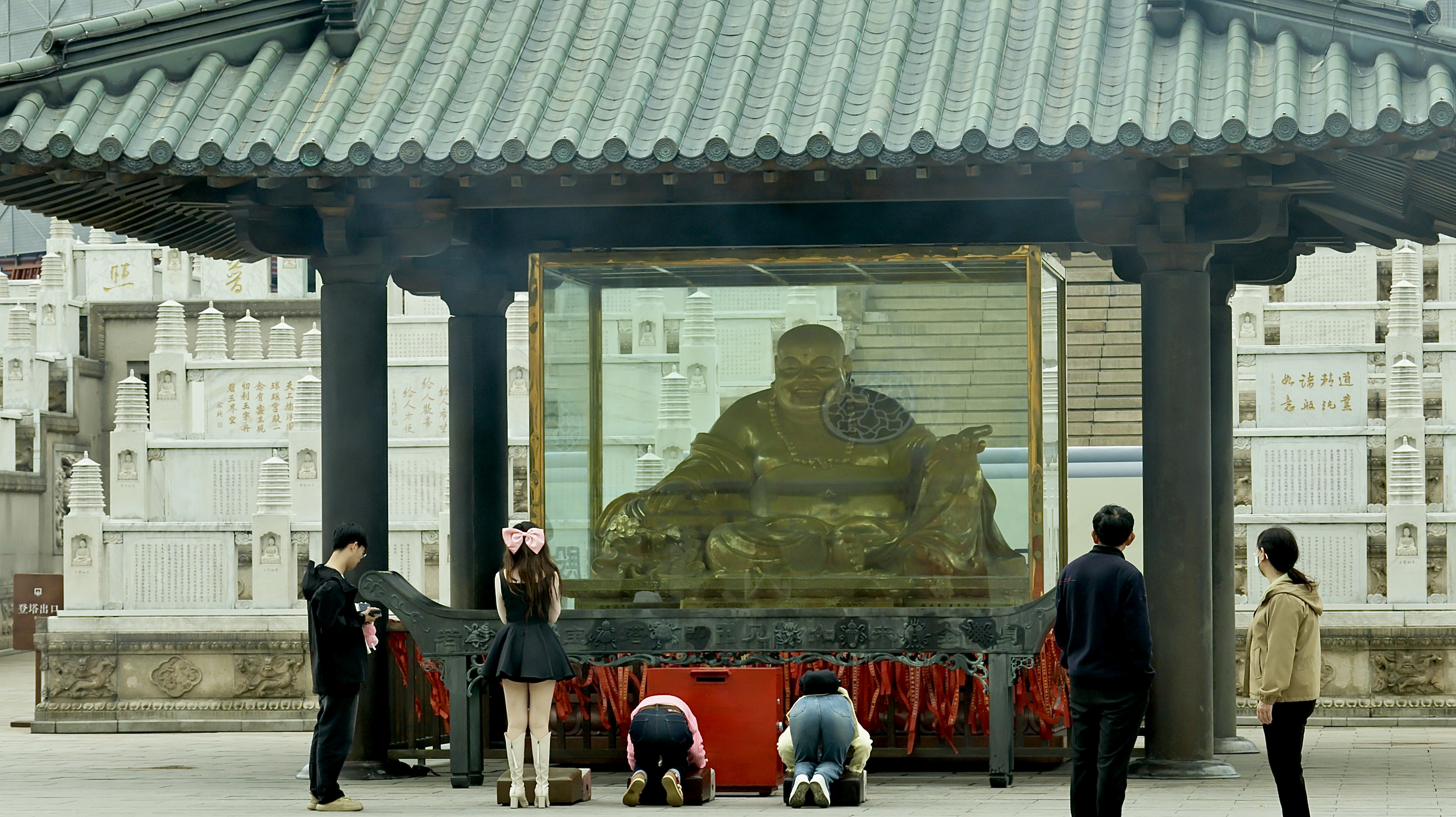
Tianning Temple(天宁寺) and the Wenbi Pagoda(文笔塔) formed an important spiritual and cultural center in historic Changzhou. Tianning Temple was a major Buddhist site originally constructed during the Tang dynasty, the surrounding neighborhoods were viewed as the earlist city "center" in Changzhou. The Wenbi Pagoda symbolized learning, scholarship, and aspirations for academic success. Every summer, these two sites attract the largest flow of pilgrims, as many students and parents visit the temple to pray for desired admission in high school or college.

Highway

Highway

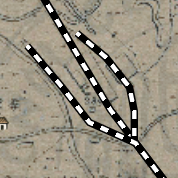
The Jiangsu–Nanjing Railway (沪宁铁路) was the first modern railway built in Changzhou in 1908. Its construction marked the beginning of a shift from traditional water-based transportation, centered on the Grand Canal, to a modern rail transportation system. The railway exhibits an unusual curve in the northern suburban area of the city. According to historical accounts, this deviation may have resulted from the route designer’s decision to avoid construction activity and train noise near his ancestral graves.