CHANGZHOU CITY

1987: Industrilization and Early Construction

By 1987, reform and opening up had reshaped Changzhou’s urban landscape. Township and village enterprises boomed along the outskirts, their chimneys rising beside newly paved roads and low-rise factories. Bicycles streamed across bridges at dawn, workers in blue uniforms heading toward workshops producing silk, machinery, and light-industrial goods for markets far beyond Jiangnan. In the city center, old alleys met fresh construction sites: cranes, scaffolding, and concrete frames signaled a future oriented toward industry and growth. East–West Avenue widened into a modern artery, its storefronts bright with signboards and neon, while new residential blocks accommodated swelling populations. Changzhou was no longer only a riverside water town—it was a city accelerating forward, balancing heritage with expansion in the momentum of national transformation.

Source: Changzhou Urban Transportation & Tourist Map(1987) - Jiangsu People Press
Go to previous era
Go to next era
Layers
Landuse

Features you should notice...

map

the Tourism and Transportation map

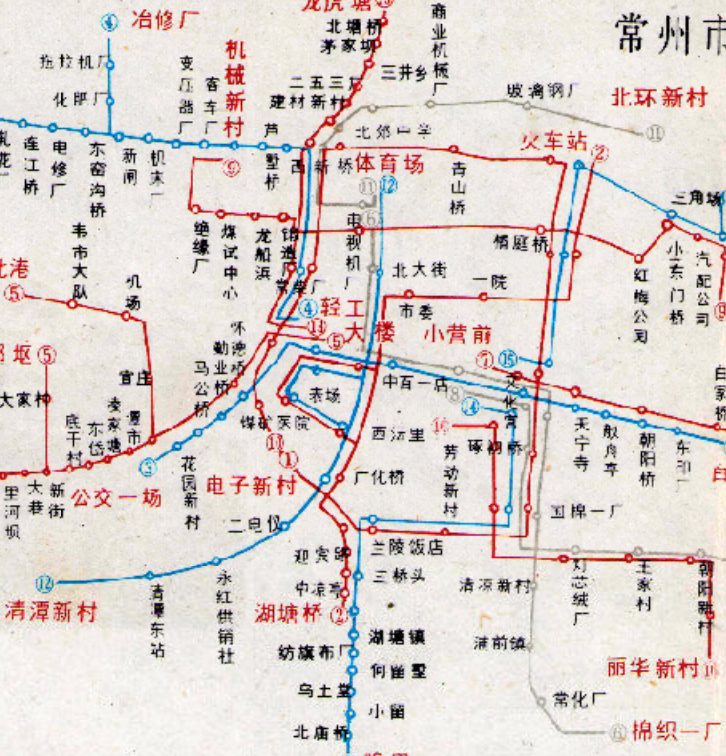
The audience and fundamental purpose of this map diverge radically from those of its predecessors. It is important to notice that it is created by and for the city's own identity. You will notice that more mundane, practical details of daily life start to appear. The map becomes an instrument of self-representation and serving the public (both residents and tourists). It’s as if Changzhou is looking at itself in a mirror and think about how to present reflection to the world. The new perspective demonstrates the attempt at civic self-examination and an urge to open the city to the outside world.  This is influenced by the larger environment and historical moment, you can explore with the Calendar to find some answers. Therefore, learning its geography from this map is not an imposition of an external framework, but an invitation to engage with the city's own self-defined identity.

bus

Public Transportation

Before the introduction of public buses, urban transportation in Changzhou was mainly carried out by rickshaw pullers until 1946. It took public buses a decade to gradually replace this human-powered mode of transport. In 1956, the Changzhou government established the city's first two bus lines. As the bus network expanded, rickshaws steadily disappeared from urban streets. After the end of the Cultural Revolution in 1976, both demand for public transportation and investment in the bus system increased significantly. By 1987, Changzhou operated 16 bus lines, covering most of the urban area.

Source: Gazetteer of Changzhou City. vol.2 (1995)

industry

Change in Industrial Structure

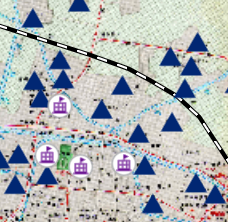
By 1987, Changzhou’s industrial structure had diversified and expanded rapidly. Beyond textiles, electronics, machinery, chemicals, building materials, and food industries emerged along the canal and spread into suburban areas( See the blue triangles). The decade following the end of the Cultural Revolution marked the city’s fastest period of development in its history. At the same time, the growth of schools and vocational training institutions—often located near industrial plants—reflected an intense phase of urban construction and a strong demand for skilled workers.

life

The Mundane Life

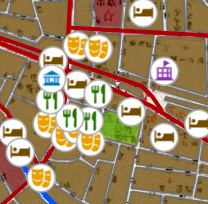
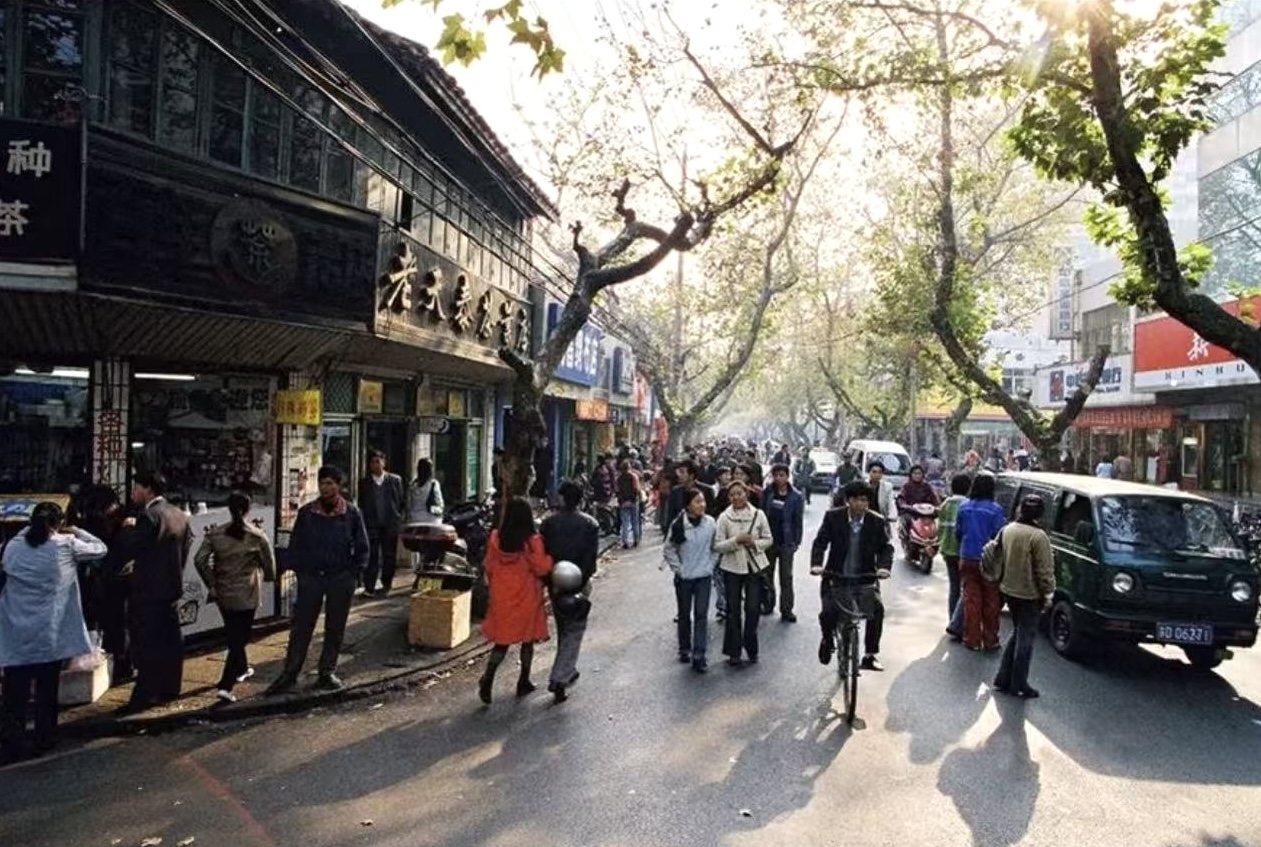
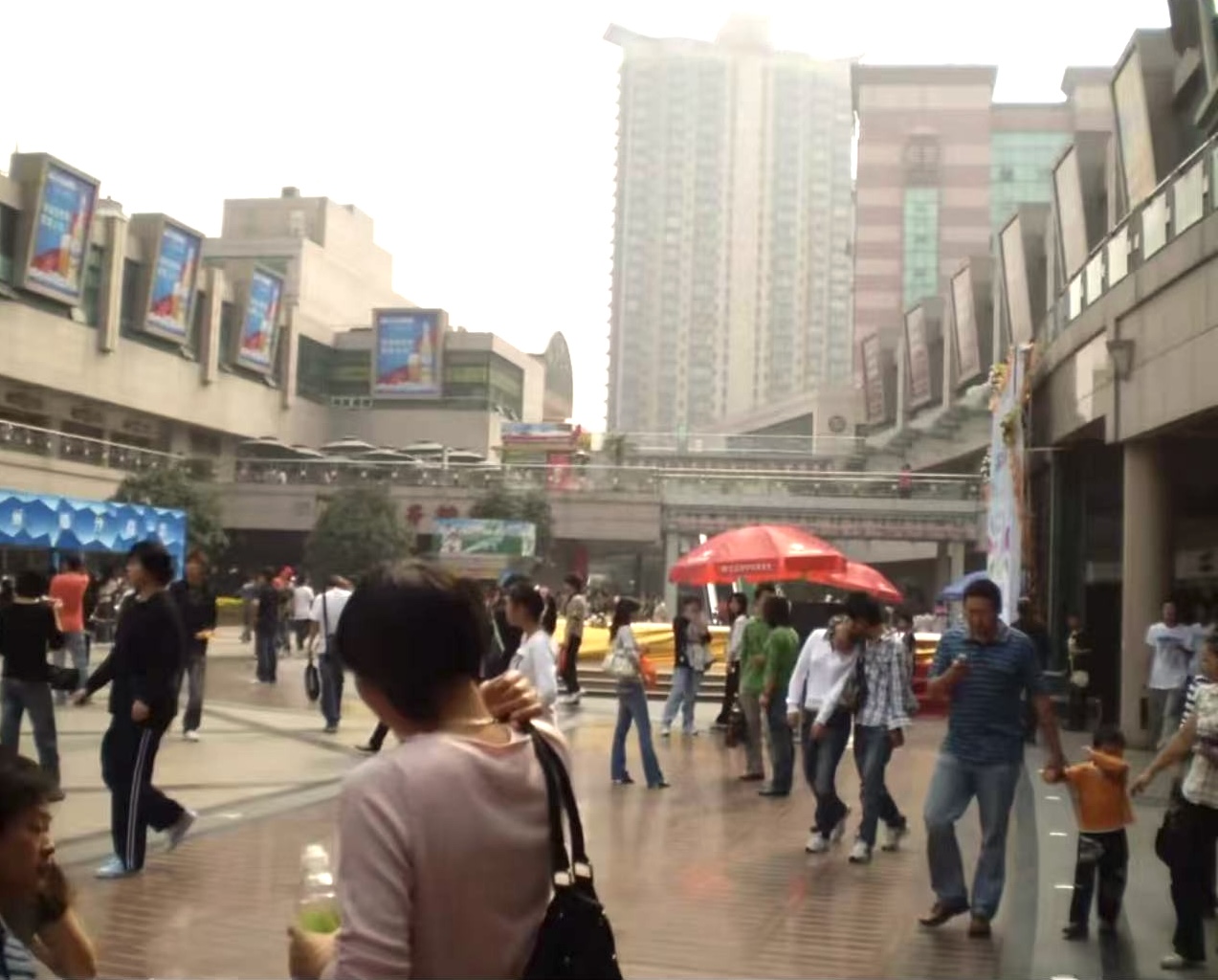
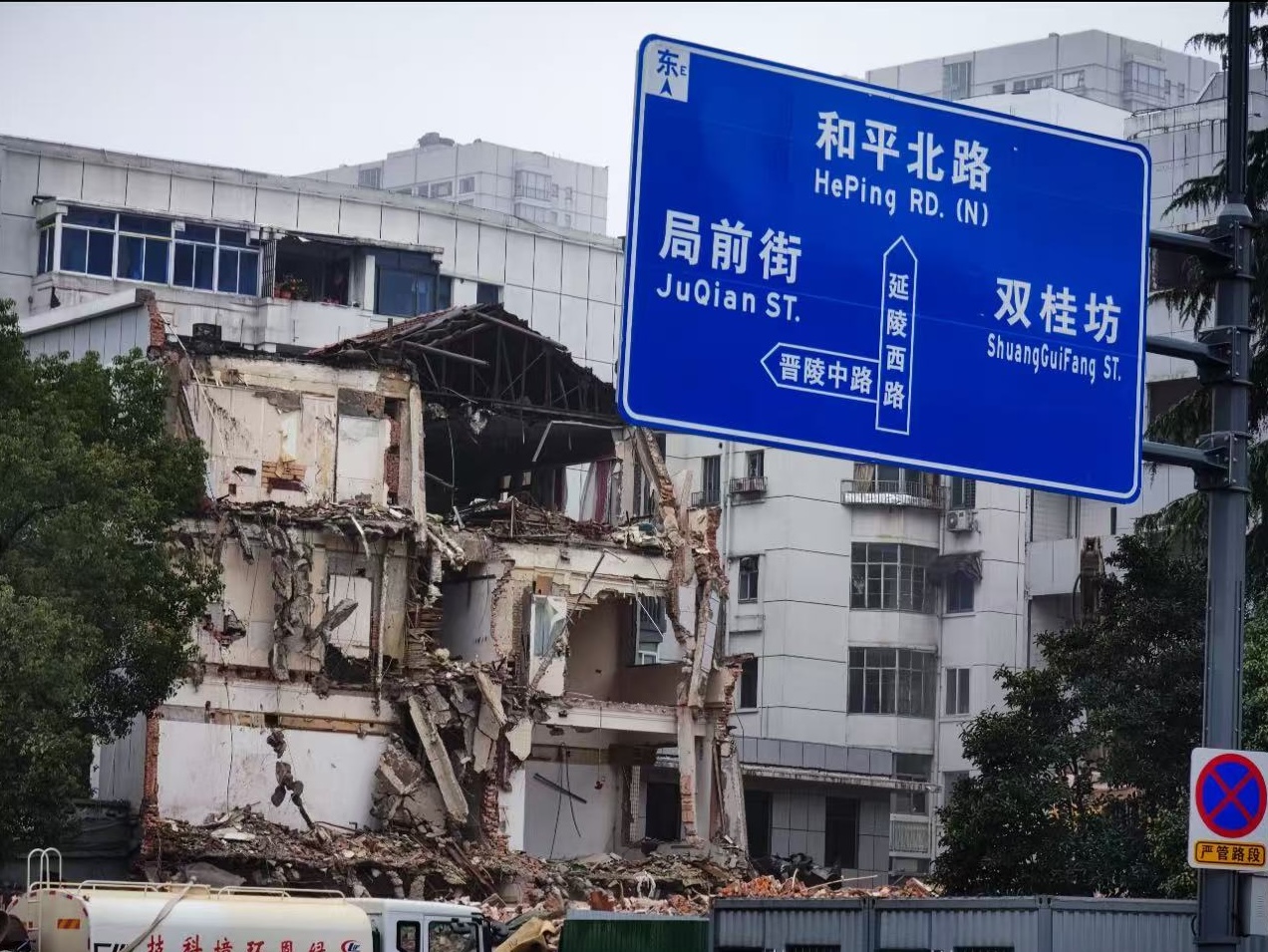
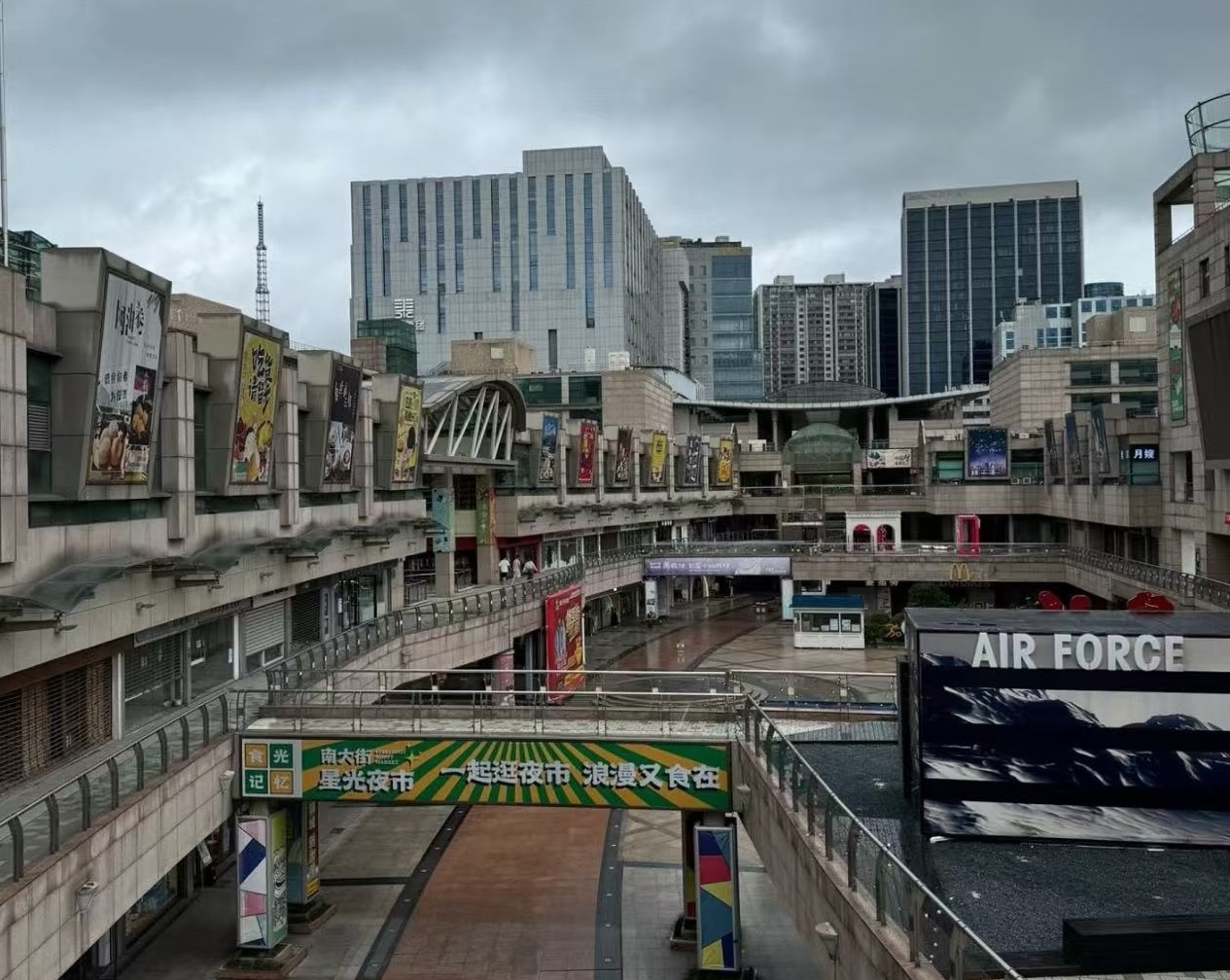
The red and blue dots represent popular venues such as malls, hotels, restaurants, bookstores,and cinemas that shaped the early entertainment and cultural life of Changzhou residents in the 1980s. These facilities were densely concentrated between the city government and the People’s Central Park, particularly along South Avenue (南大街). This area was the city’s earliest commercial hub and its most vibrant district, home to many century-old, well-known local brands and food establishments. From the 1980s through the late 2010s, South Avenue functioned as the core of Changzhou’s commercial and cultural life. However, with the emergence of new urban centers and commercial districts, its vitality gradually declined as residents began seeking newer forms of entertainment. The aging architecture and outdated shops no longer aligned with contemporary consumption patterns. Today, this area is planned for demolition in 2025; a place that once witnessed Changzhou’s most glorious moments of the last century is now being partially torn down for urban upgrading.

South Avenue Mall: 1990s (left two) vs. Present (right two)

Source: Social media pictures collected from Xiaohongshu